India
India's water and sanitation crisis
Out of its population of 1.4 billion people, 342 million people lack access to safe water and 539 million people lack access to a safe toilet. Current challenges include depleting groundwater, contaminated surface water and lack of access to piped water supply. The effects from climate change like droughts and rising sea levels also affect access to safe water and sanitation for families in India.
These factors, combined with the current initiative by the Government of India to provide tap water connections to every household by 2024, have created unprecedented urgency to implement effective solutions to increase access to safe water and sanitation.
Our impact in India
Since 2004, Water.org has played a significant role in India’s progress toward improved water and sanitation, empowering more than 35.7 million people with access to safe water or sanitation through our WaterCredit solution, a model first piloted in India.
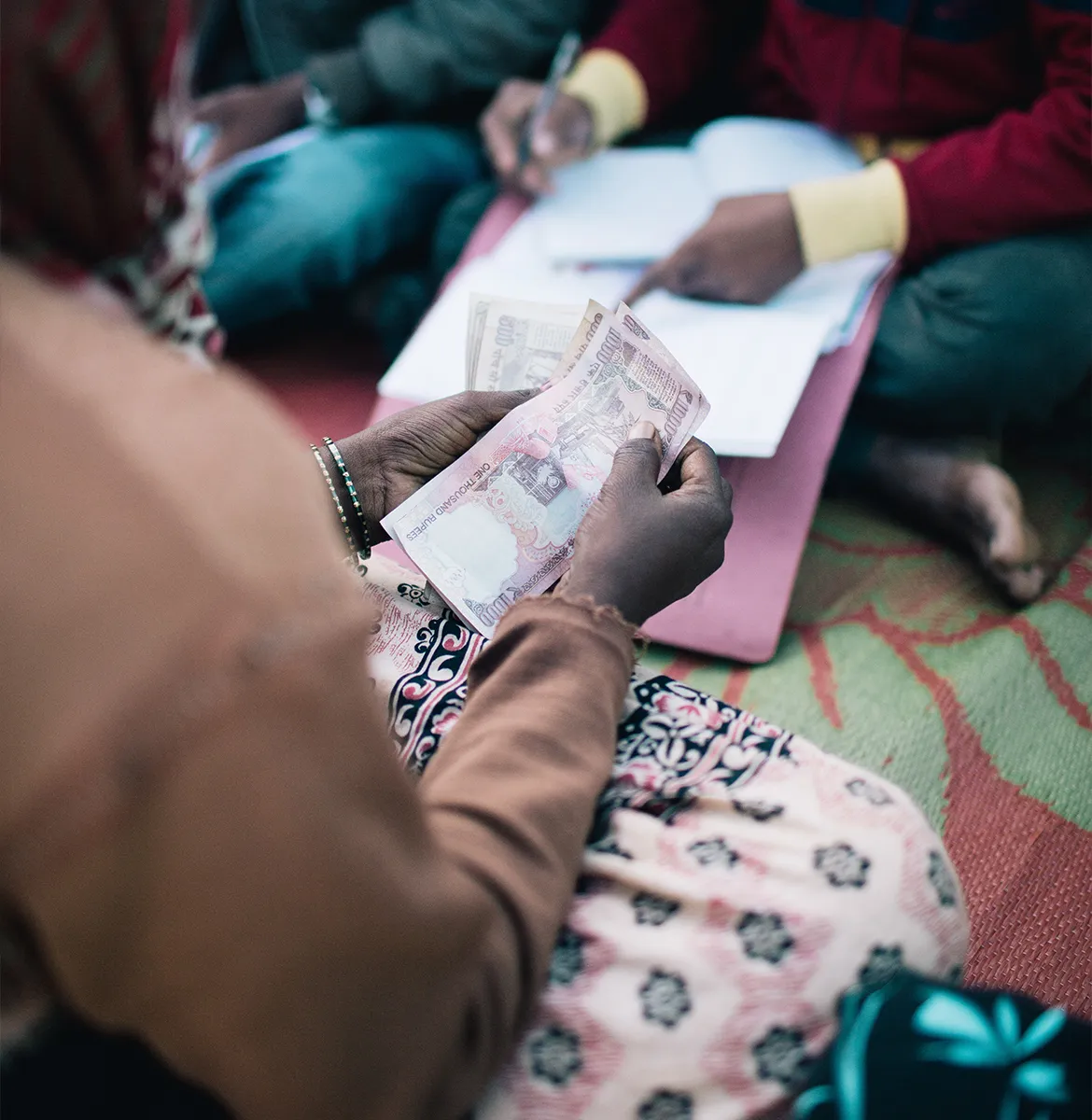
We partner with a wide range of organizations, including microfinance institutions, self-help group promoting institutions, commercial and public sector banks, non-banking financial companies, social enterprises, and the Government of India to provide access to affordable safe water and sanitation solutions for families living at the base of the economic pyramid.
A vision for future impact in India
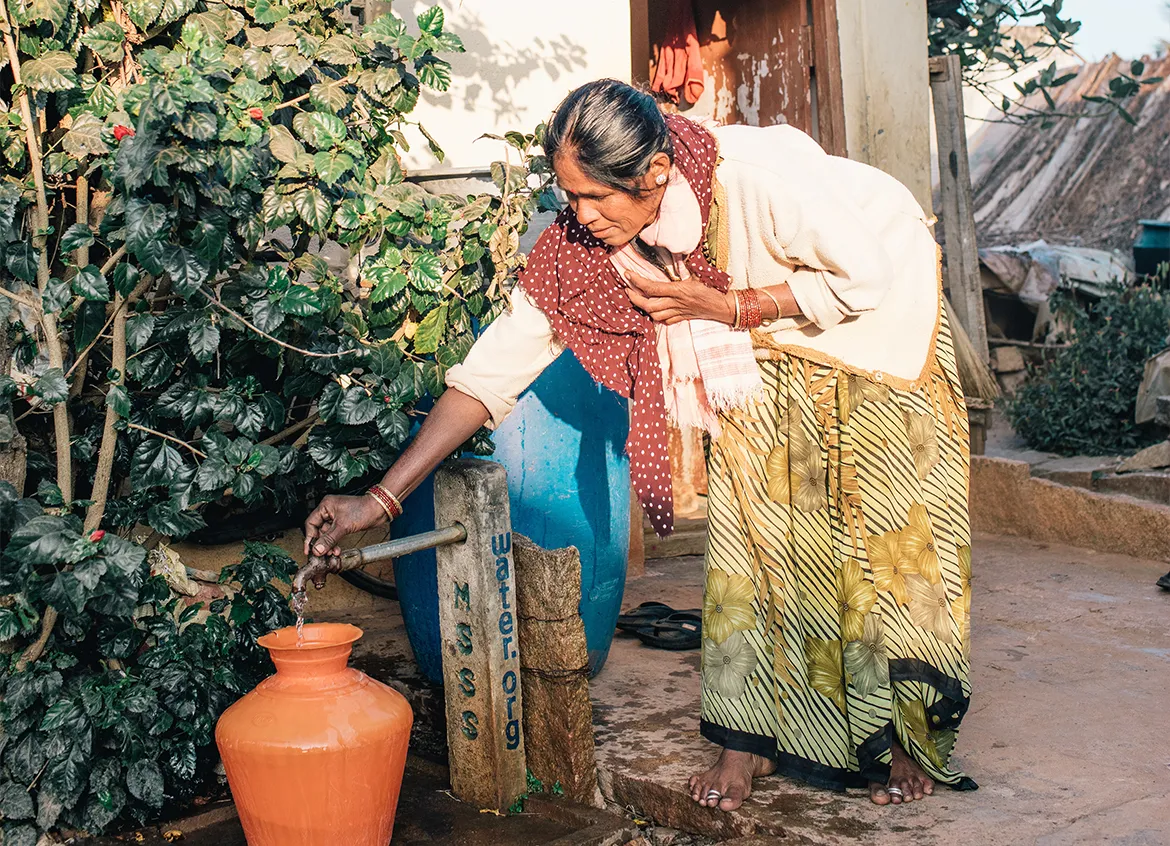
Water.org is deeply invested in India and strategically positioned to support the country’s push to end the water crisis. Building on India’s strong microfinance and banking industry, an increasingly digitized lending environment, and robust government support, our vision is to scale WaterCredit and expand wholesale WASH lending with financial institutions to meet the vast unmet demand for water and sanitation financing. We also aim to mobilize finance for urban water and sanitation infrastructure, strengthening services and extending coverage so that more families living at the base of the economic pyramid can access safe water and sanitation and build lasting resilience.
Sunita has safe water at home
Watch to hear from Sunita how affordable, lasting access to safe water at home has changed her life in south India.