A Health Crisis
The water crisis is a health crisis
Globally, 2.1 billion people lack access to safe water and 3.4 billion people don’t have access to a safe toilet. More than 1 million people die each year from a lack of access to safe water and sanitation due to health impacts alone. Lack of access to safe water also affects the physical well-being of women and children who have no choice but to carry heavy vessels long distances. Now more than ever, access to safe water is critical to the health of families around the world.
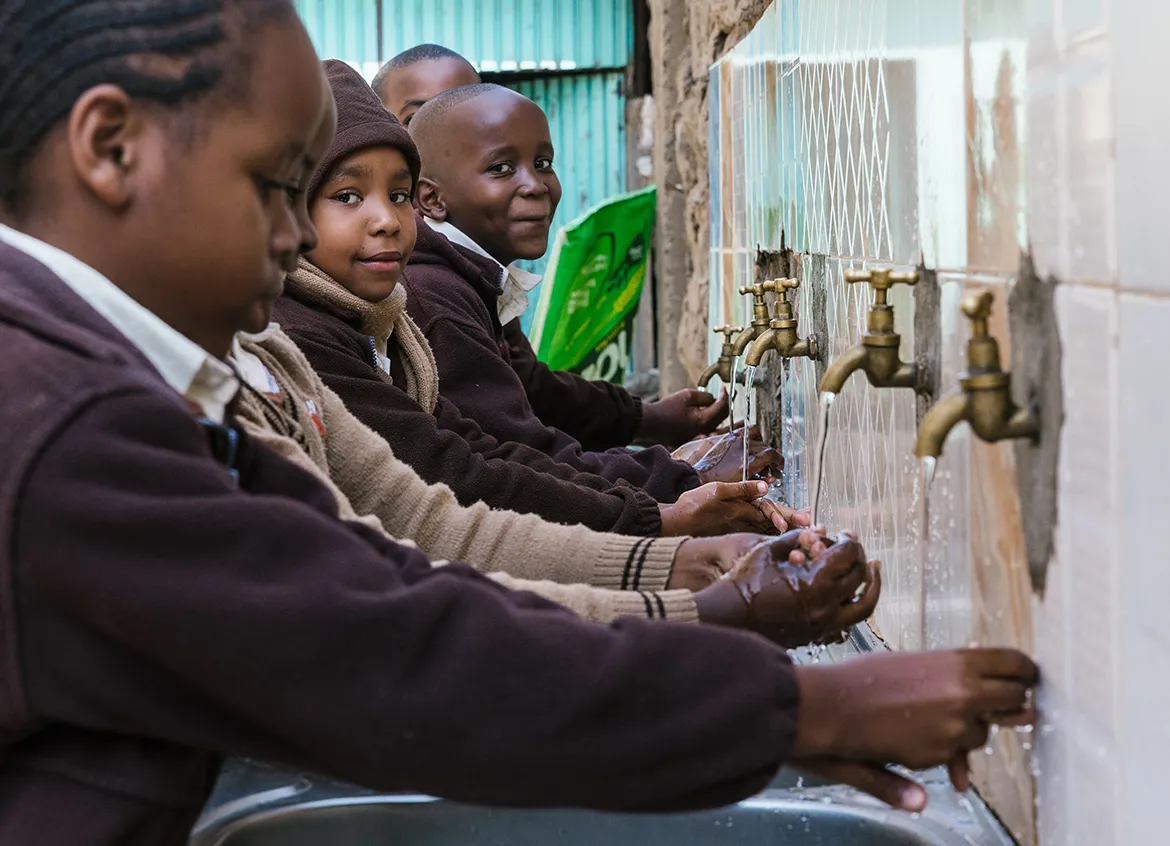
Handwashing saves lives
1.7 billion people globally don’t have access to soap and water to wash their hands at home. Access to safe water directly helps the most families in need around the world prepare and protect themselves from illness and disease. They experience improved health because with safe water they can practice good hygiene like handwashing, and they don't have to leave their homes to collect water.
A children's health crisis
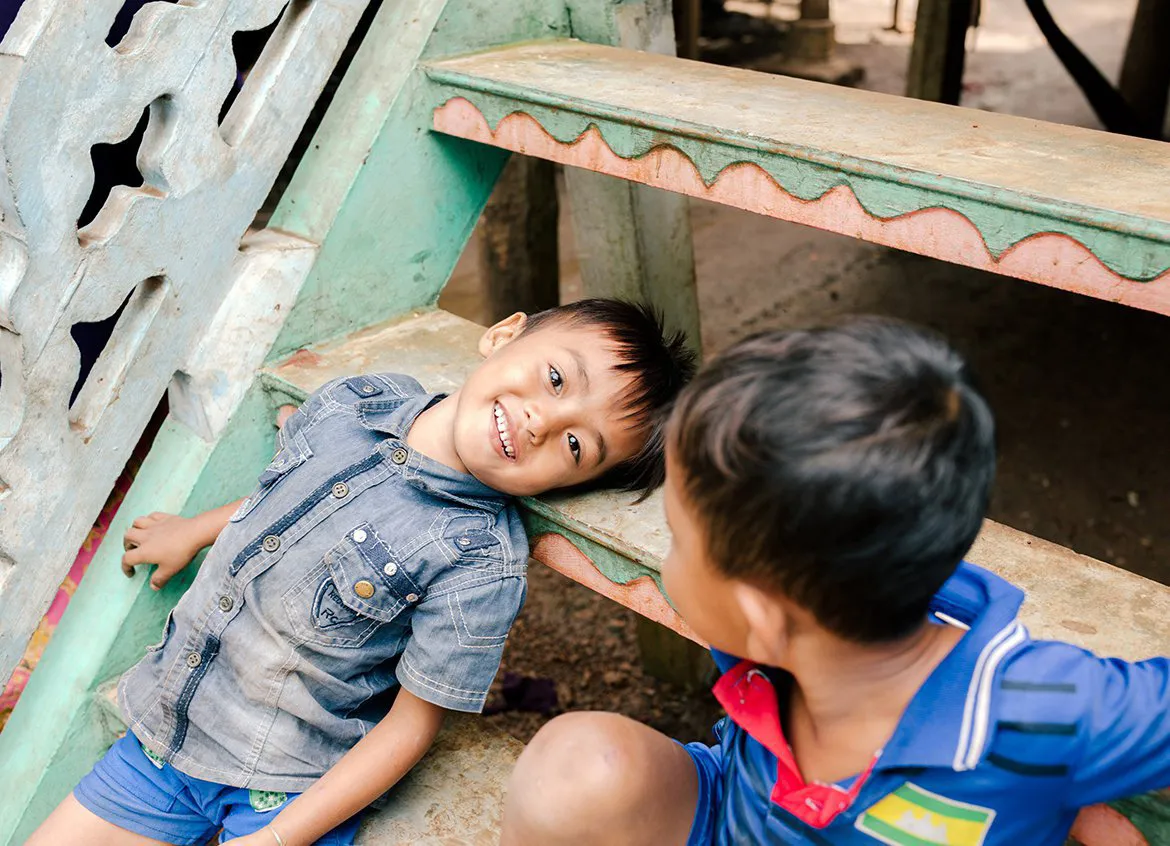
Safe drinking water is critical to the development of a healthy child. It means kids won’t experience water-borne illnesses like typhoid. Every 2 minutes a child dies from a water-borne disease. Whether they are consuming contaminated water or suffering from dehydration due to diarrhea, a lack of access to safe water is responsible.
A women's health crisis
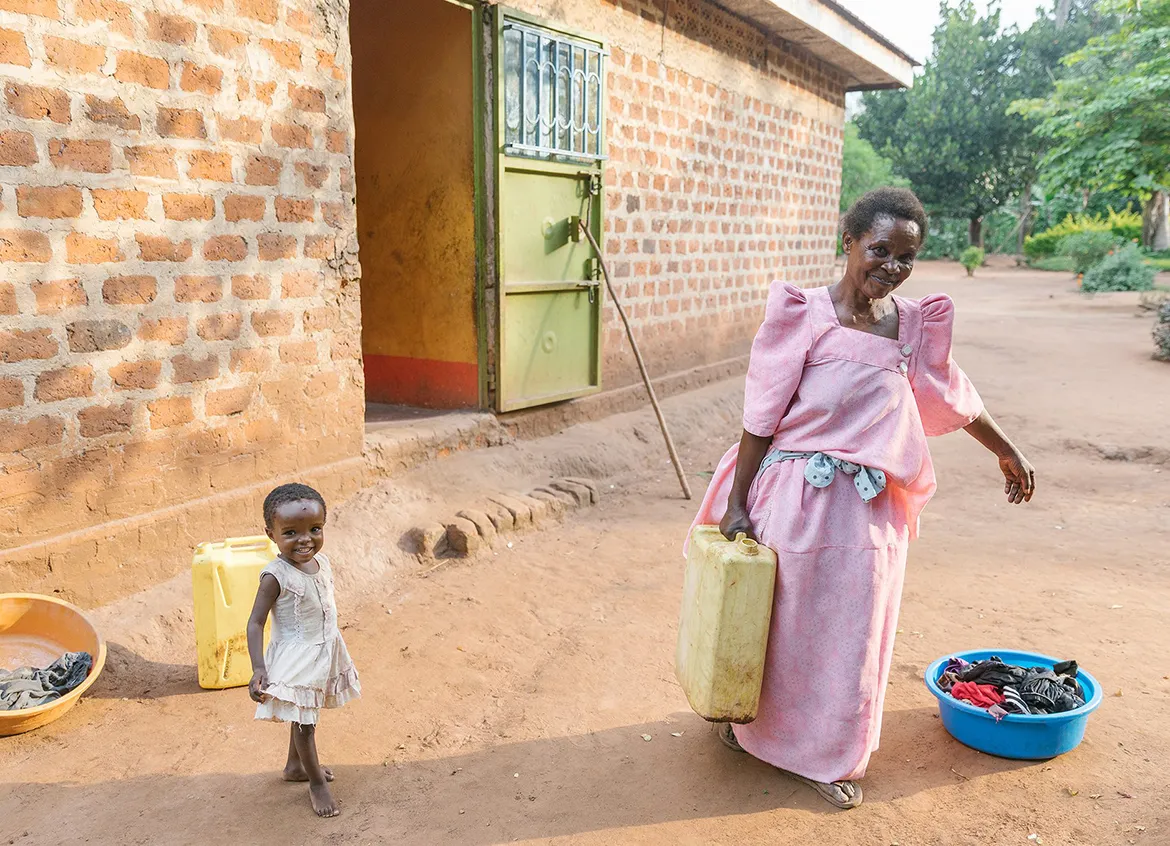
A lack of access to safe water and sanitation significantly affects the health of women as well. Burdened daily by water collection and finding a place to go, women and girls spend large amounts of time carrying heavy vessels and walking long distances. The physical strain of these activities impacts their health and if pregnant, the health of their unborn children. Improved water, sanitation and hygiene practices reduces disease, undernutrition, injury from water collection, and stress for women and girls.
Water is health, water is life
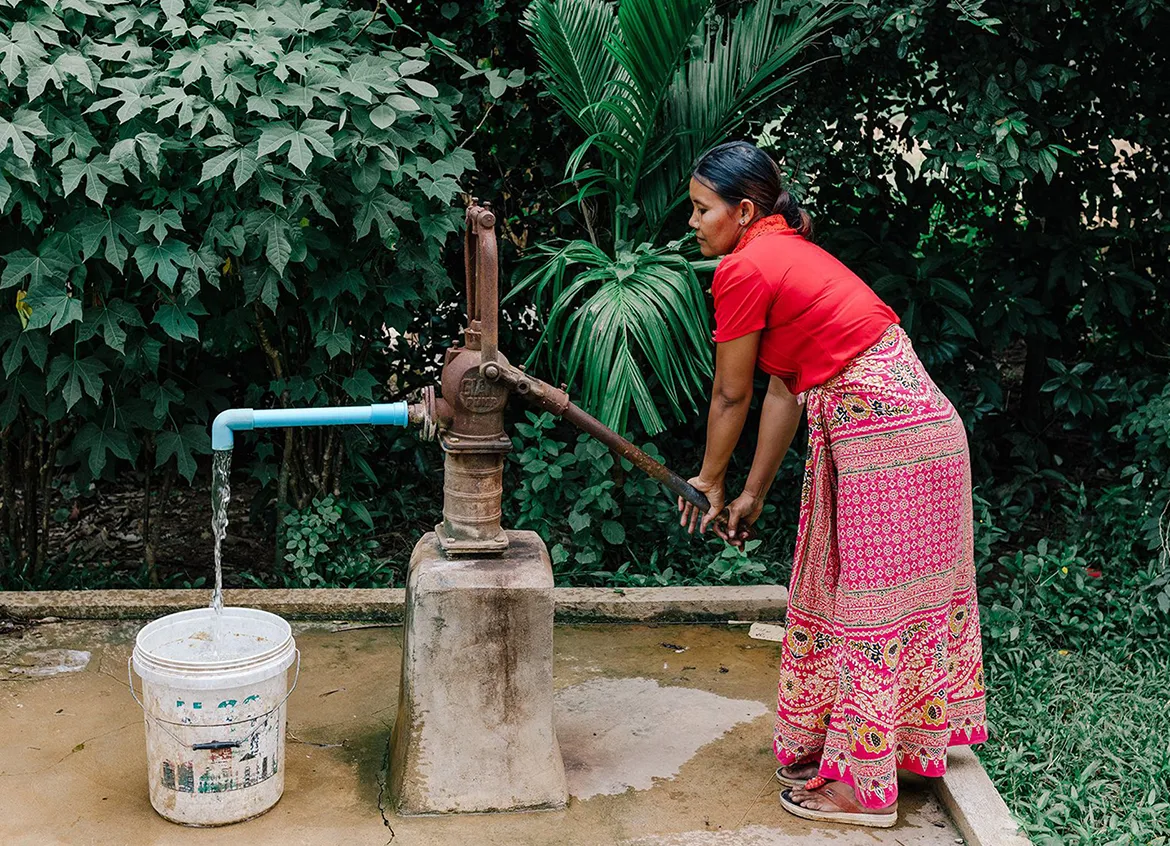
For Sophon, there was nothing beautiful about the water-related burdens she endured much of her life in rural Cambodia. She wanted to end those burdens for her son.
It is for women like Sophon, who aspire to give their babies a healthy start to a beautiful life, that we created WaterCredit. With a small, affordable loan, Sophon and her husband were able to pay for the construction of a rain storage tank and water tap on their property. What was once unsafe to consume and took hours to collect is now available outside their door.
References
- World Health Organization and UNICEF. (2025). Progress on Household Drinking Water, Sanitation, and Hygiene 2020-2024: Special focus on inequalities.
- World Health Organization and UNICEF. (2024). Progress on Drinking Water, Sanitation, and Hygiene in schools 2015-2023: Special focus on menstrual health.
- World Health Organization, UNICEF, and World Bank. (2022). State of the world’s drinking water: an urgent call to action to accelerate progress on ensuring safe drinking water for all.
- World Health Organization and UNICEF. (2020). State of the World's Sanitation: An urgent call to transform sanitation for better health, environments, economies and societies.
- Hutton, G., and M. Varughese. (2020). Costs of Meeting the 2030 Sustainable Development Goal Targets on Drinking Water, Sanitation, and Hygiene.
- United Nations. (2019). UN-Water Policy Brief on Climate Change and Water.
- United Nations. (2021). Summary Progress Update 2021: SDG 6 — water and sanitation for all.
Give water and give families like Sophon’s a healthy start to life.
Donate